

You’ve just spent three hours at a friend’s birthday dinner. The food was excellent. The conversation was lively. You genuinely like every person at that table.
And yet, the moment you step through your front door, something shifts. You let out a long breath you didn’t realize you were holding. Your shoulders drop. The tension in your jaw releases. You stand in the quiet of your apartment and feel an almost physical wave of relief wash over you.
If you’re an introvert, you know this feeling intimately.
But why does it happen? Why does perfectly pleasant social interaction leave you feeling depleted? Why does your brain seem to have a limited capacity for human contact? Why introverts need alone time.
The answer lies in the science of your nervous system, your brain chemistry, and something called the social battery.
What Is the Social Battery?
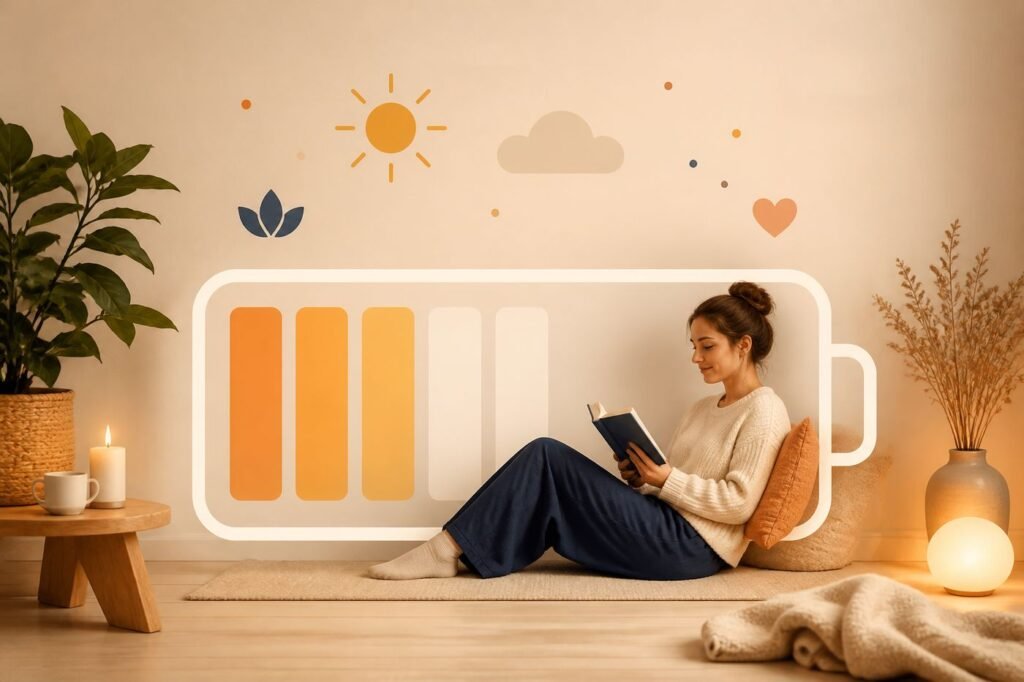
Think of your energy for social interaction like a battery ‘introvert social battery’.
Introverts start each day with a full battery. Every social interaction — every conversation, every meeting, every group gathering — drains it. Some interactions drain it faster than others. Eventually, the battery hits empty, and you need to recharge. Alone time is your charger.
Extroverts start each day with a partially charged battery. They need social interaction to charge it. Being alone drains it. They seek out people and activity the way introverts seek out solitude.
This isn’t a metaphor that psychologists made up to explain personality. It reflects actual neurological and physiological processes.
The Neurological Reason: High Baseline Arousal
One of the most widely supported scientific explanations for introversion comes from psychologist Hans Eysenck’s arousal theory.
Here’s how it works:
Introverts Have Higher Baseline Arousal
Your brain is always processing information at some level. This is your baseline arousal. Think of it as your brain’s background noise.
For introverts, that baseline is naturally higher. Their brains are already processing a lot of information — even when they’re sitting in a quiet room doing nothing in particular. They’re observing. Thinking. Noticing details. Running internal commentary.
Extroverts Have Lower Baseline Arousal
For extroverts, the baseline is lower. Their brains aren’t processing as much information in the background. They need external stimulation — noise, activity, conversation — to bring their arousal level up to an optimal point.
What This Means for Social Situations
Every social situation adds stimulation on top of your baseline.
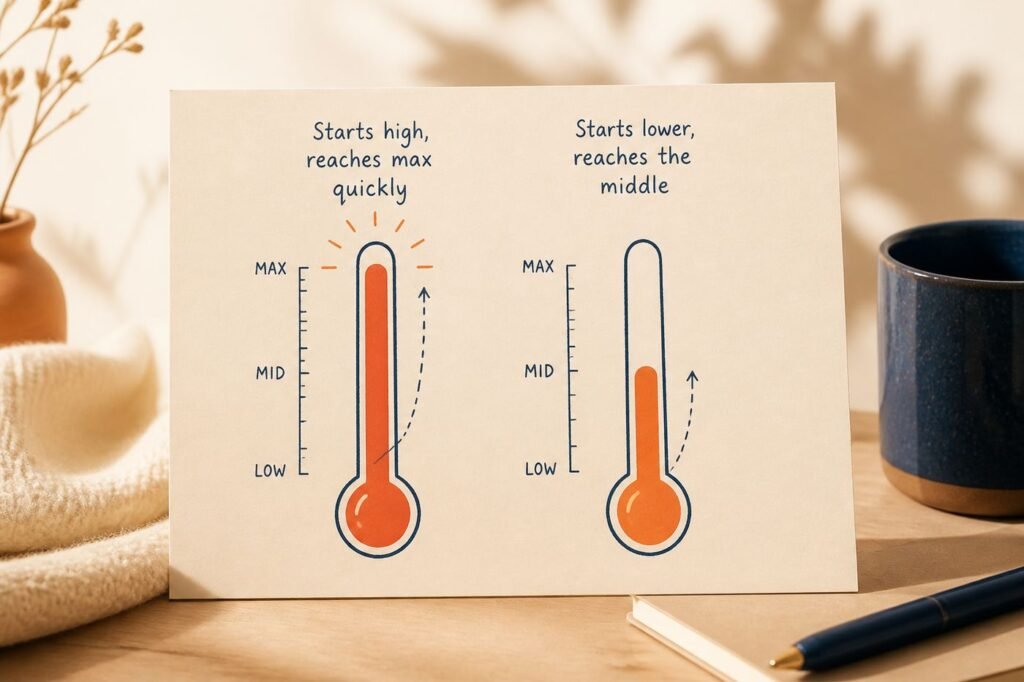
For an introvert, you’re starting at a 7. Add a lively dinner party, and you’re suddenly at a 10. Your brain becomes overwhelmed. It’s not that you can’t handle it — it’s that your nervous system is being pushed past its comfortable limit.
For an extrovert, you’re starting at a 3. Add that same dinner party, and you’re at a 7. Right in your sweet spot. You feel engaged, alert, and energized.
This is why the same event can leave one person exhausted and another person buzzing with energy.
The Neurotransmitter Difference: Dopamine vs. Acetylcholine
It’s not just about arousal levels. It’s also about which brain chemicals you’re most sensitive to.
Extroverts and Dopamine
Extroverts are more sensitive to dopamine, the neurotransmitter associated with reward, motivation, and pleasure.
When extroverts engage in social interaction, their brains release dopamine. They feel a reward. That reward encourages them to seek out more social interaction. It’s a positive feedback loop: socialize → feel good → want to socialize more.
This is why extroverts actively pursue social situations. The payoff is literally chemical.
Introverts and Acetylcholine
Introverts, on the other hand, are more sensitive to acetylcholine, a neurotransmitter linked to attention, learning, memory, and calm focus.
Acetylcholine is released during activities that require deep concentration: reading, writing, reflecting, problem-solving. When introverts engage in these activities, they feel a sense of reward and satisfaction.
But acetylcholine is also associated with the parasympathetic nervous system — the “rest and digest” system. It promotes calm, focus, and internal processing.
Social situations don’t trigger the same dopamine reward in introverts. Instead, they trigger a different response — one that eventually leads to overstimulation.
What This Means in Practice
When an introvert chooses to stay home with a book instead of going to a party, they’re not being anti-social.
They’re following what their brain finds genuinely rewarding.
The Cortisol Factor: Stress and Overstimulation
There’s another piece to the puzzle: cortisol, the stress hormone.
When introverts are in highly stimulating environments for extended periods, their bodies release cortisol. This is the body’s stress response — the same one triggered by any challenging or overwhelming situation.
It’s not that introverts find social situations inherently stressful. It’s that their nervous system is working harder to process all that input. Eventually, the effort becomes taxing, and cortisol levels rise.
The Physical Signs of Overstimulation
When an introvert’s social battery is drained, the body often signals it:
- Increased heart rate
- Shallow breathing
- Tension in shoulders and jaw
- Foggy thinking
- Irritability
- The urge to escape
These aren’t just psychological. They’re physiological responses to overstimulation.

Why Solitude Is Essential, Not Optional
Understanding the science makes one thing clear: alone time isn’t a luxury for introverts. It’s a biological requirement.
What Happens Without Enough Alone Time
When introverts don’t get enough solitude, they experience what’s sometimes called introvert hangover or social exhaustion.
Symptoms include:
- Irritability and short temper
- Brain fog and difficulty concentrating
- Emotional depletion
- Increased anxiety
- Physical fatigue
- Withdrawal from even loved ones
- Loss of motivation
This isn’t a character flaw. It’s your nervous system telling you it’s overloaded and needs to reset.
What Solitude Actually Does
Solitude allows introverts to:
- Lower cortisol levels — reducing the stress response
Replenish acetylcholine — restoring the brain’s ability to focus and process
- Process experiences — making sense of what happened
- Regulate emotions — coming back to emotional balance
- Restore cognitive function — clearing the brain fog
The Default Mode Network
There’s another neurological reason solitude is important for introverts.
The default mode network (DMN) is a network of brain regions that becomes active when you’re not focused on external tasks. It’s active during daydreaming, self-reflection, and internal processing.
For introverts, the DMN is more active. They spend more time in this internally focused state. Solitude gives them space to engage the DMN fully — which is essential for their cognitive processing and emotional regulation.
When introverts are constantly in social situations, the DMN is suppressed. They don’t get the internal processing time their brains need. This is why introverts often need time alone after social events — not just before.
How Much Alone Time Do Introverts Need?
There’s no one-size-fits-all answer. It depends on:
- How introverted you are (people vary along the spectrum)
What kind of socializing you’ve been doing (some interactions are more draining than others)
- Your overall stress level and health
- Your environment and life circumstances
However, a few general principles apply:
Know Your Limits
Pay attention to when you start feeling drained. Notice the early signs: your smile feeling forced, your attention drifting, the urge to check your phone. That’s your battery sending a signal.
Schedule Recovery Time
Don’t treat alone time as something you’ll get to if you have time. Treat it as essential. Schedule it. Protect it.
Quality Over Quantity
A hour of truly restorative solitude — quiet, distraction-free, doing something you genuinely enjoy — is worth more than hours of half-hearted alone time while scrolling your phone.
Communicate Your Needs
For many introverts, the hardest part is telling people they need space. Practice saying: “I need some quiet time to recharge. It’s not personal. I’ll be back to my usual self soon.”

The Difference Between Alone Time and Isolation
It’s important to distinguish between healthy solitude and unhealthy isolation.
- Healthy Solitude
- Choosing to spend time alone because it replenishes you
- Feeling peaceful and content in your own company
- Engaging in activities you enjoy
- Returning to social interaction when you’re ready
- Unhealthy Isolation
- Withdrawing because of fear, anxiety, or depression
- Feeling lonely or disconnected even when alone
- Avoiding people even when you want connection
- Isolating for extended periods without social contact
If your alone time is driven by anxiety, shame, or fear — rather than a desire to recharge — it might be something to explore further. There’s a difference between needing solitude and avoiding the world.
If you’re concerned about your mental health, speak to a professional.
How to Recharge Effectively
Not all alone time is created equal. Here’s how to make your recharge time work for you.
1. Do Something You Genuinely Enjoy
Read. Journal. Listen to music. Go for a walk. Cook. Draw. Whatever feels nourishing. Passive scrolling on your phone often isn’t as restorative as active engagement with something you love.
2. Limit Screen Time
Ironically, screens can be overstimulating too. Give your brain a break from constant input. A book, a notebook, or just sitting with your thoughts can be more restorative than another hour of social media.
3. Create a Comfortable Environment
Your environment matters. Dim lighting. Quiet. Comfortable clothes. A cozy corner. Make your space a sanctuary, not just a place you happen to be.
4. Allow Yourself to Do Nothing
Sometimes the most restorative thing is simply doing nothing. No pressure to be productive. No guilt about wasting time. Just existing in your own space.
5. Be Intentional About Social Recovery
After a big social event, plan recovery time. Block off the next morning or evening. Give yourself permission to be quiet and slow. Don’t schedule another event immediately after.
Rirely Humor Moment
Some people recharge by going to brunch with a dozen friends. Introverts recharge by staying home and pretending brunch doesn’t exist.
My social battery is like a phone that’s five years old. It charges slowly, drains quickly, and if I use it too much, it overheats and shuts down.
Introvert translation:
“I need some me time” = “I am currently running on 3% battery and about to shut down completely”
“It was great seeing everyone” = “I am now going to lie in a dark room for 72 hours”
“I’m just going to stay home tonight” = “My nervous system is begging for mercy”
Frequently Asked Questions
Why do I feel drained after socializing when I actually enjoyed it?
Enjoyment and energy are separate things. You can genuinely enjoy an experience and still have it drain your energy. Social interaction demands cognitive, emotional, and sensory processing — all of which cost energy.
Is needing alone time a sign of depression?
Not by itself. Needing solitude to recharge is a normal introvert trait. Depression involves persistent low mood, loss of interest, and isolation that doesn’t improve. If you’re concerned, speak to a professional.
How can I explain my need for alone time to extroverted friends and family?
Be honest and clear: “I need quiet time to recharge. It’s not about you — it’s how my brain works. I love spending time with you, and I also need to take care of my energy.” Framing it as a need, not a rejection, helps.
Can I train myself to need less alone time?
You can develop social skills and endurance, but your core need for solitude is unlikely to change completely. Pushing yourself too hard can lead to burnout. It’s better to honor your limits than to fight them.
What should I do when I can’t get enough alone time?
Find small pockets of solitude throughout your day. A quiet commute. A lunch break alone. Five minutes in a bathroom stall. Early mornings before anyone else wakes up. These small moments can help sustain you until you have more substantial recovery time.
Is it possible to be an introvert who also gets lonely?
Absolutely. Introverts need connection too — just in smaller doses. Being introverted doesn’t mean you don’t crave human connection. It just means you need it on your own terms.
Summary
Your need for alone time isn’t a weakness. It’s not something to apologize for. It’s a fundamental part of how your brain works.
Introverts have higher baseline arousal. Their brains are already processing a lot, so external stimulation adds up quickly.
Introverts are more sensitive to acetylcholine. They find deep focus and quiet activities rewarding — the opposite of the dopamine reward extroverts feel from socializing.
Extended socializing raises cortisol levels. Your body is literally responding to overstimulation.
Solitude allows your nervous system to reset. It’s how you regulate, process, and restore.
The world isn’t always designed with introverts in mind. There will be times when you have to push through exhaustion or explain your needs to people who don’t quite understand.
But the more you understand the science behind your social battery, the easier it becomes to honor it. To protect it. To build a life that gives you the quiet space you need to thrive.
You’re not broken. You’re not antisocial. You’re just an introvert with a battery that works differently.
And that’s okay.
The Complete Guide to Introverts — The foundation of introversion, including the science of energy.
15 Signs You’re an Introvert — Check your own experiences against common signs.
Introvert vs. Extrovert: What’s the Real Difference? — A deeper look at the two personality types.
Are You an Introvert or Just Shy? Here’s the Difference — Understanding the distinction between personality and anxiety.
10 Things Introverts Wish Extroverts Understood — A guide for the people who don’t quite get it.
Express Yourself
If you’re someone who needs alone time to recharge, why not wear it?
Rirely’s Introvert Collection includes designs that say what you need to say without words:
“Social Battery: Low” — A gentle signal that you’re running on empty.
“Do Not Disturb: Recharging” — A clear message for your quiet time.
“Professional Overthinker” — For the introvert whose brain never stops processing.
Each design celebrates the quiet, thoughtful nature of introversion.
Explore More with Rirely
Want more personality insights, relatable observations, and the occasional painfully accurate take?
Join the Rirely newsletter. It’s free. It’s not spammy. And it might just help you discover something new about yourself.
Discover yourself. Express yourself.